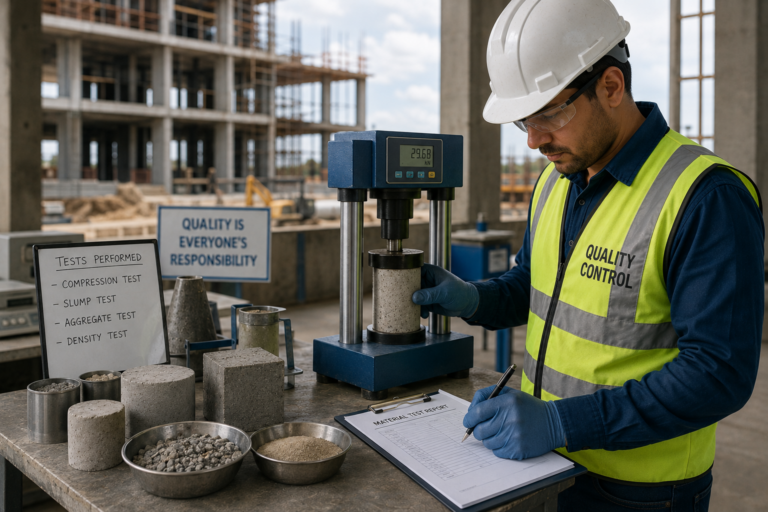
Choosing the right Compression Testing Machine (CTM) is a critical decision for laboratories, construction companies, ready-mix concrete plants, universities, research institutions, and quality control departments. The performance, accuracy, and reliability of a Compression Testing Machine directly impact the quality of testing results, making it essential to select equipment that aligns with specific testing requirements and industry standards.
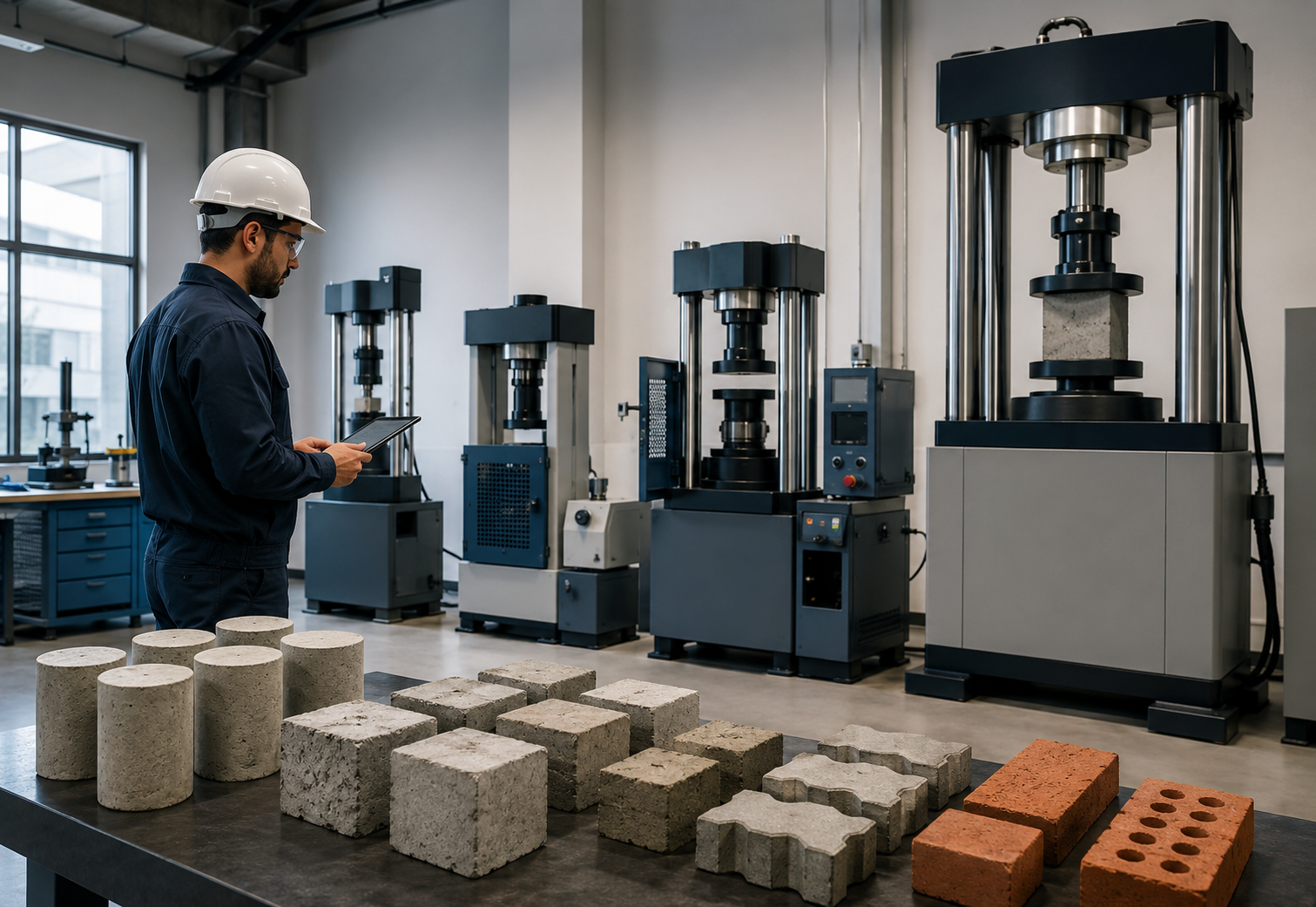
The first factor to consider is the type of material being tested. Different industries test a variety of materials including concrete cubes, concrete cylinders, cement mortar cubes, paving blocks, bricks, and other construction materials. Understanding the materials and specimen sizes that will be tested helps determine the appropriate machine capacity and configuration. Selecting a machine with insufficient capacity can limit testing capabilities, while choosing an unnecessarily large machine may increase costs without providing additional value.
Machine capacity is one of the most important considerations when purchasing a CTM. Compression Testing Machines are available in multiple capacities to accommodate different testing requirements. Laboratories involved in routine concrete cube testing may require a different capacity than facilities performing high-load testing on larger specimens. Buyers should evaluate both their current testing needs and future expansion plans before selecting a machine to ensure long-term usability and flexibility.
Another key consideration is the level of automation. Manual Compression Testing Machines are commonly used for basic testing applications and organizations with lower testing volumes. Digital systems offer improved accuracy and easier operation through electronic load measurement and display functions. Automatic and servo-controlled Compression Testing Machines provide advanced features such as automated load control, data acquisition, report generation, and enhanced testing consistency. Organizations performing frequent testing often benefit from automated systems that improve efficiency and reduce operator involvement.
Compliance with recognized testing standards is equally important. A high-quality Compression Testing Machine should be designed and manufactured in accordance with standards such as IS 14858, IS 516, ASTM C39, and EN 12390. Standards compliance ensures that testing procedures remain consistent, reliable, and acceptable for quality assurance, certification, and project approval requirements. Buyers should always verify that the selected equipment meets the relevant standards applicable to their industry and testing applications.
Accuracy and repeatability are critical factors that influence the reliability of test results. A well-designed Compression Testing Machine should provide precise load measurement, stable operation, and consistent performance throughout its service life. Advanced machines often incorporate digital controllers, high-accuracy sensors, and sophisticated hydraulic systems that help minimize testing variations and improve confidence in the results.
Data management capabilities have become increasingly important in modern testing laboratories. Many organizations require detailed records, test reports, and digital documentation for quality control and compliance purposes. Automatic and servo-controlled systems often include software integration, data storage, report generation, and communication interfaces that simplify documentation and improve operational efficiency. These features can significantly reduce manual record keeping and streamline laboratory workflows.
After-sales support is another important aspect that should not be overlooked. Installation assistance, calibration services, technical training, spare parts availability, and responsive customer support contribute significantly to the long-term value of the equipment. Selecting a manufacturer that provides reliable support helps ensure smooth operation, reduced downtime, and consistent testing performance throughout the machine’s lifespan.
Budget considerations naturally play a role in the purchasing decision, but buyers should focus on overall value rather than initial cost alone. Factors such as durability, accuracy, standards compliance, service support, and operational efficiency often have a greater impact on long-term performance and return on investment than the purchase price itself. Investing in a reliable Compression Testing Machine can help avoid costly testing errors, equipment failures, and compliance issues in the future.
As testing requirements continue to evolve, organizations are increasingly looking for equipment that combines precision, durability, automation, and ease of use. A carefully selected Compression Testing Machine not only supports quality assurance efforts but also contributes to safer construction practices, improved product quality, and greater confidence in material performance.
By evaluating testing requirements, machine capacity, automation level, standards compliance, accuracy, support services, and long-term operational needs, buyers can make an informed decision when selecting a Compression Testing Machine. Choosing the right equipment ensures dependable testing results, improved productivity, and long-term value for laboratories and organizations involved in material testing and quality control.