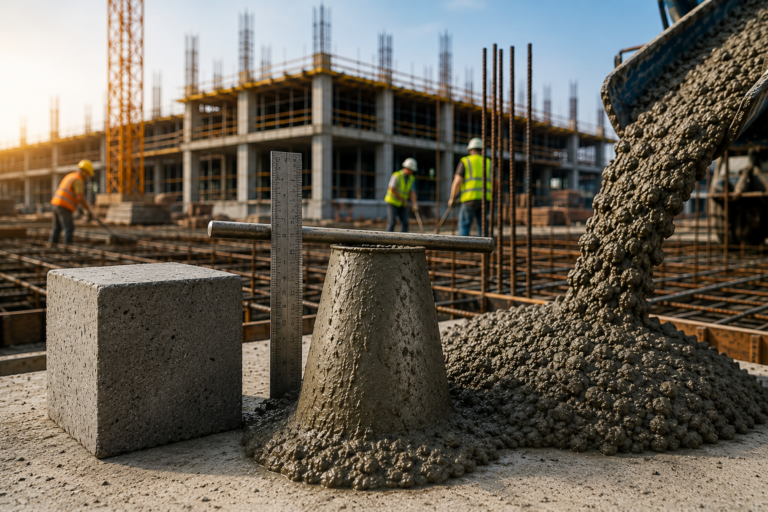
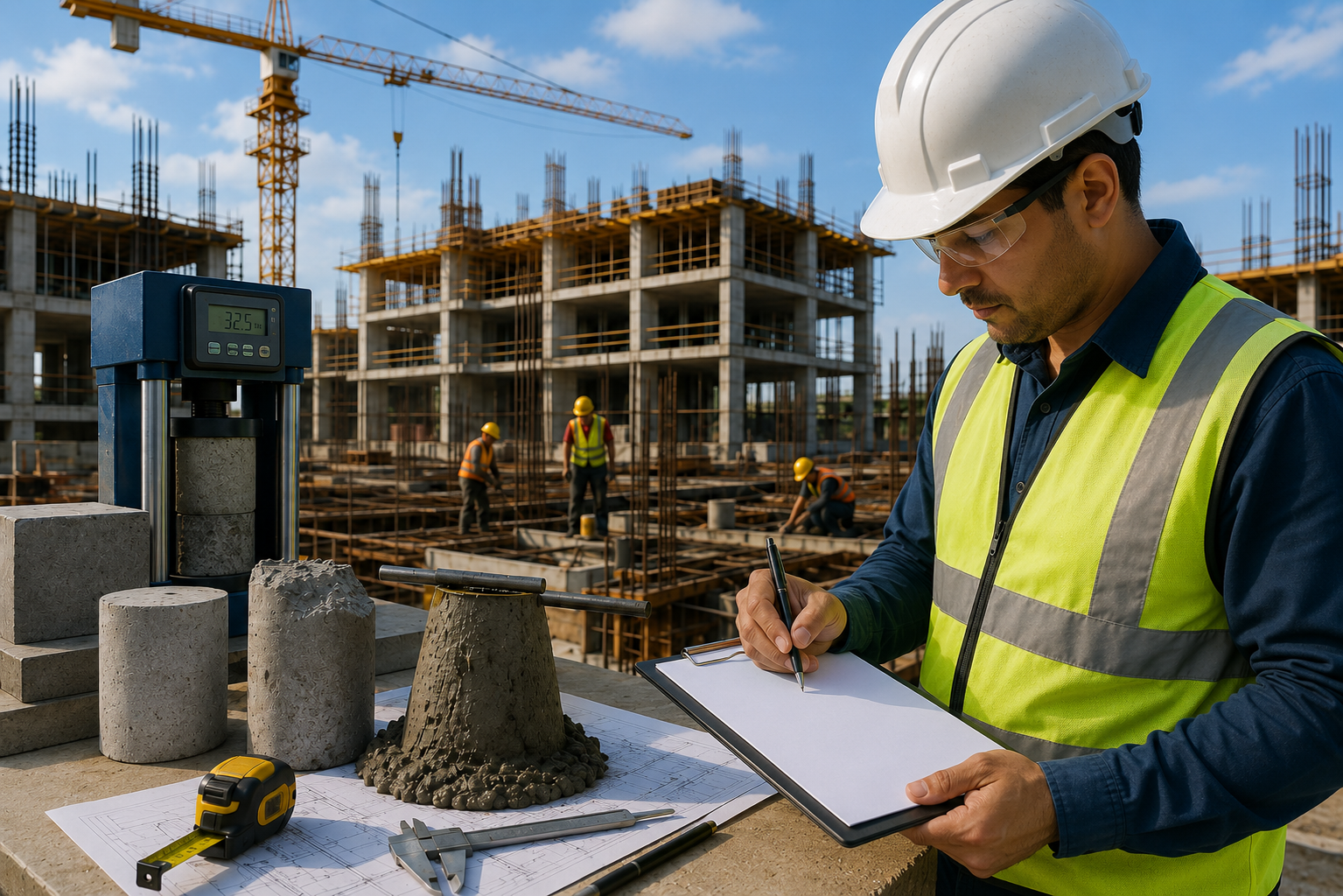
Quality control is a fundamental part of every successful construction project. Whether it is a residential building, commercial complex, highway, bridge, dam, industrial facility, or infrastructure development, maintaining consistent quality standards is essential for ensuring safety, durability, and long-term performance. Construction projects involve significant investments of time, resources, and manpower, making it critical to verify that every material, process, and structural component meets the required specifications. Effective quality control helps organizations achieve these objectives while minimizing risks and improving project outcomes.
The primary purpose of quality control is to ensure that construction materials and workmanship comply with project requirements and applicable standards. Every structure is designed to withstand specific loads and environmental conditions throughout its service life. If materials do not meet the required quality standards, structural performance can be compromised, leading to costly repairs, reduced durability, and potential safety hazards. Quality control procedures help identify issues at an early stage, allowing corrective actions to be implemented before problems become more serious.
Construction projects often involve multiple stakeholders, including engineers, contractors, consultants, suppliers, and regulatory authorities. Quality control provides a structured approach for maintaining consistency across all stages of the project. By following established procedures and testing protocols, project teams can ensure that construction activities are performed according to approved specifications and industry best practices. This consistency improves communication, reduces misunderstandings, and helps maintain project quality from start to finish.
One of the most important benefits of quality control is improved safety. Buildings, bridges, roads, and other structures must be capable of supporting intended loads while remaining safe for public use. Poor-quality materials or inadequate construction practices can create structural weaknesses that may lead to failures or accidents. Regular inspections, testing, and verification procedures help identify potential risks before they affect the safety and integrity of the structure.
Quality control also plays a significant role in cost management. Detecting defects during construction is far less expensive than addressing problems after project completion. Early identification of material deficiencies, workmanship issues, or specification deviations allows corrective measures to be implemented before they result in major delays or rework. This proactive approach helps reduce project costs and improves overall efficiency.
Compliance with industry standards and regulations is another important reason for implementing quality control programs. Many construction projects must meet specific national and international standards related to materials, testing procedures, and structural performance. Quality control helps verify compliance with these requirements and provides documented evidence that the project meets the necessary standards. This documentation is often required for inspections, certifications, approvals, and project handovers.
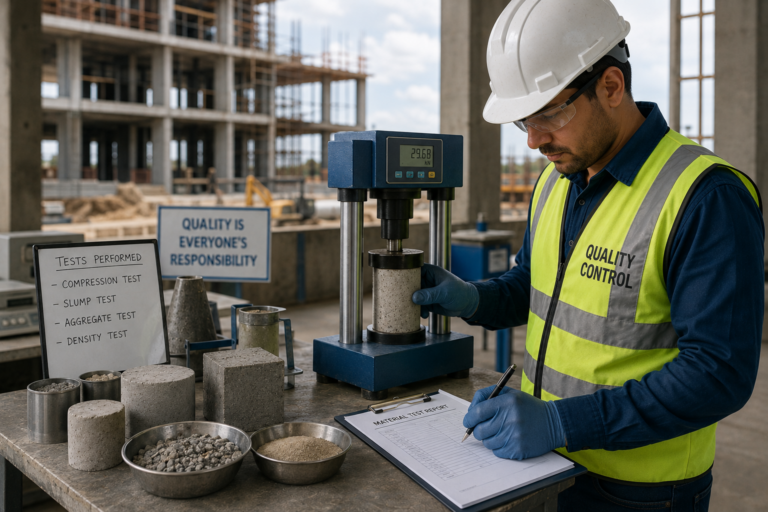
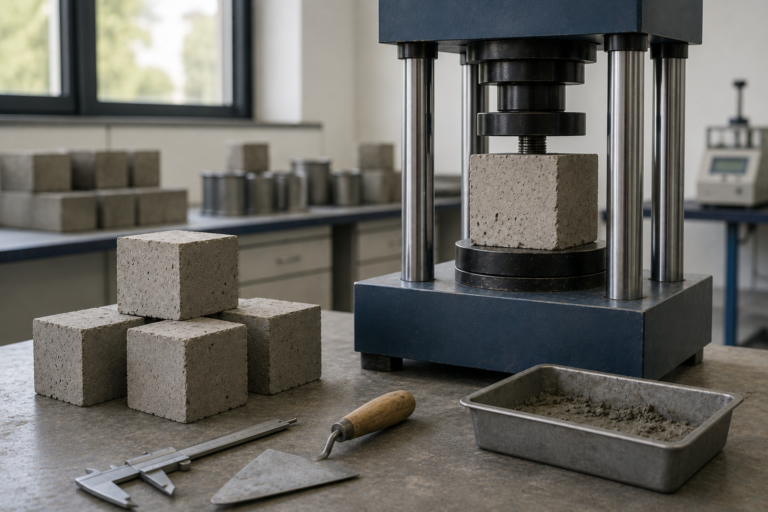
Material testing is a key component of quality control in construction. Testing helps verify the strength, durability, and performance characteristics of materials before they are incorporated into the structure. Reliable testing results provide confidence that materials are capable of meeting design requirements and performing as expected under service conditions. This information supports informed decision-making and contributes to overall project reliability.
Quality control also enhances customer confidence and project reputation. Clients expect construction projects to be completed according to agreed specifications and performance standards. Consistent quality management demonstrates professionalism, reliability, and commitment to excellence. Organizations that prioritize quality control often develop stronger relationships with clients and improve their reputation within the industry.
Modern construction projects are becoming increasingly complex, requiring higher levels of accuracy, coordination, and accountability. Quality control systems help manage this complexity by providing clear procedures for inspection, testing, documentation, and corrective action. These systems support continuous improvement and encourage organizations to maintain high standards throughout the project lifecycle.
The long-term performance of a structure depends heavily on the quality of materials and construction practices used during development. Effective quality control helps ensure that structures remain durable, reliable, and safe throughout their intended service life. By identifying issues early and maintaining compliance with established standards, organizations can reduce risks and improve overall project success.
Quality control is not simply an administrative requirement; it is a critical process that supports safety, performance, compliance, and customer satisfaction. Construction projects that implement strong quality control measures are better positioned to achieve reliable results, minimize defects, and deliver long-lasting structures that meet the expectations of both clients and regulatory authorities. As the construction industry continues to evolve, quality control will remain one of the most important factors contributing to successful project delivery and long-term structural performance.