Quality control is one of the most critical aspects of any construction, manufacturing, or infrastructure project. The success of a project depends heavily on the quality, consistency, and performance of the materials used. Even the most advanced designs and construction techniques can fail if the materials do not meet the required specifications. This is where material testing plays a vital role. By evaluating the physical and mechanical properties of materials, testing helps ensure that products and structures meet the necessary standards for safety, durability, and performance.
Material testing is a systematic process used to determine how materials behave under different conditions and loads. It provides valuable information about strength, durability, flexibility, hardness, density, and other important characteristics. These results help engineers, manufacturers, contractors, and quality control professionals verify whether a material is suitable for its intended application. Without proper testing, there would be no reliable way to confirm that materials can perform as expected in real-world conditions.
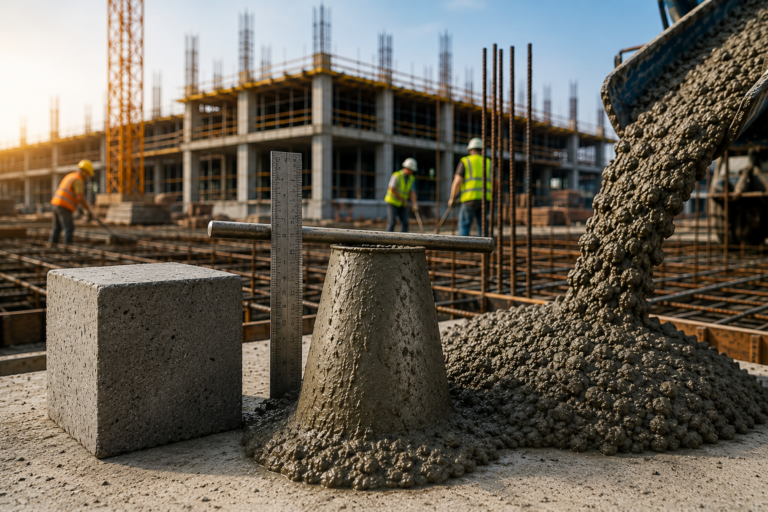
In the construction industry, material testing is essential for maintaining structural integrity and public safety. Materials such as concrete, cement, steel, bricks, paving blocks, aggregates, and other construction products are routinely tested before being used in projects. The objective is to identify any weaknesses, inconsistencies, or defects that could affect performance after construction is completed. Early detection of quality issues helps prevent costly repairs, project delays, and structural failures.
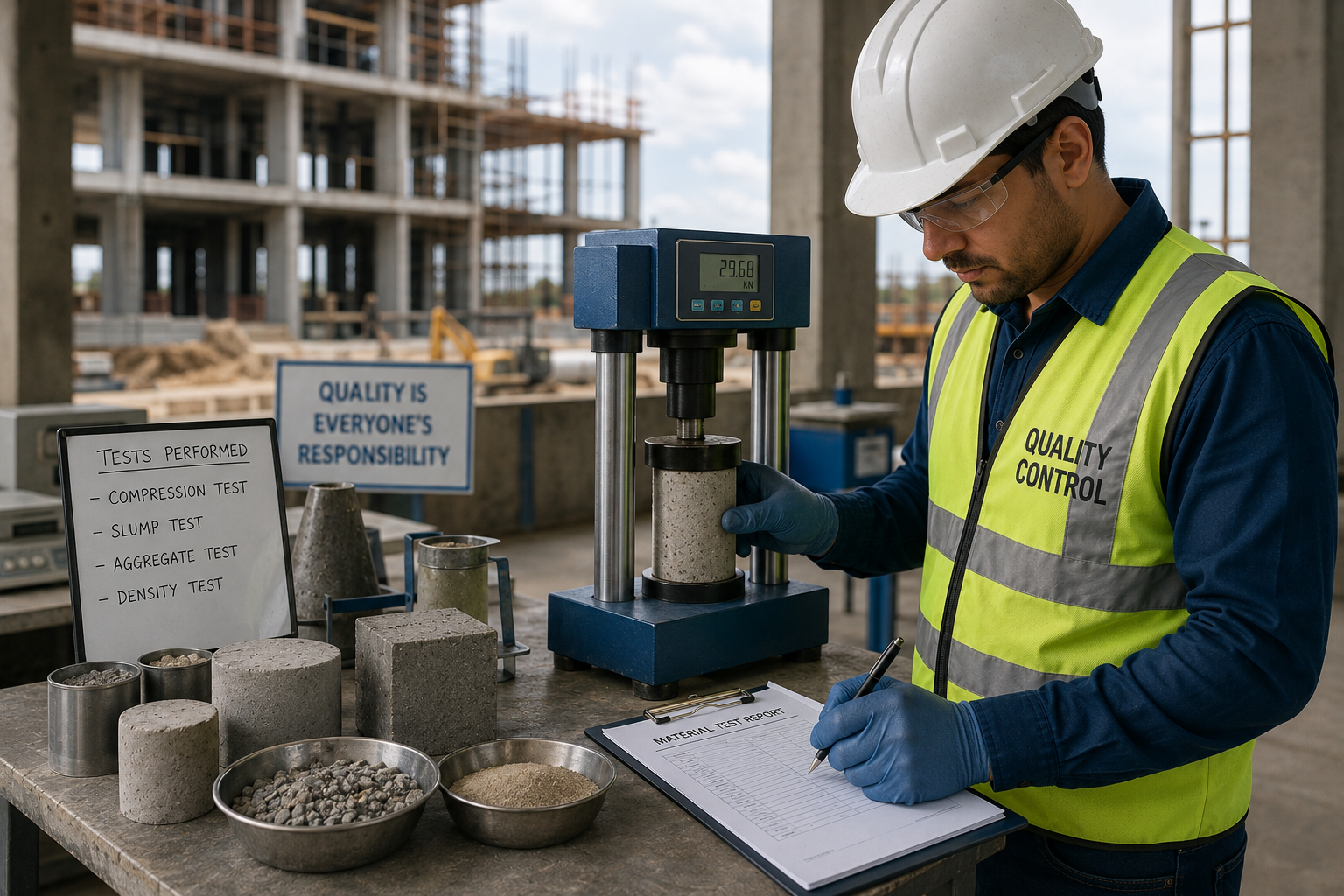
Quality control programs rely heavily on material testing because it provides measurable and objective data. Instead of relying on assumptions or visual inspections alone, organizations can make decisions based on scientifically verified results. This approach improves confidence in the quality of materials and ensures that products consistently meet project requirements and industry standards.
One of the most significant benefits of material testing is risk reduction. Construction failures, product defects, and material-related issues can lead to financial losses, legal liabilities, and safety concerns. By testing materials before they are approved for use, organizations can identify potential problems at an early stage and take corrective action before those issues affect the final product or structure. This proactive approach helps reduce uncertainty and supports better project outcomes.
Material testing also contributes to regulatory compliance. Many industries are governed by national and international standards that specify minimum performance requirements for materials. Testing helps demonstrate compliance with these standards and provides documented evidence that materials meet the required specifications. This documentation is often necessary for project approvals, certifications, inspections, and quality audits.
Manufacturers use material testing to maintain product consistency and improve production processes. By regularly evaluating raw materials and finished products, manufacturers can identify variations in quality and implement improvements where necessary. Consistent testing helps maintain customer confidence and supports long-term business growth through improved product reliability.
Research and development activities also depend on material testing. Engineers and scientists use testing data to develop new materials, improve existing products, and explore innovative construction solutions. Reliable test results provide the information needed to optimize material performance and support technological advancement across various industries.
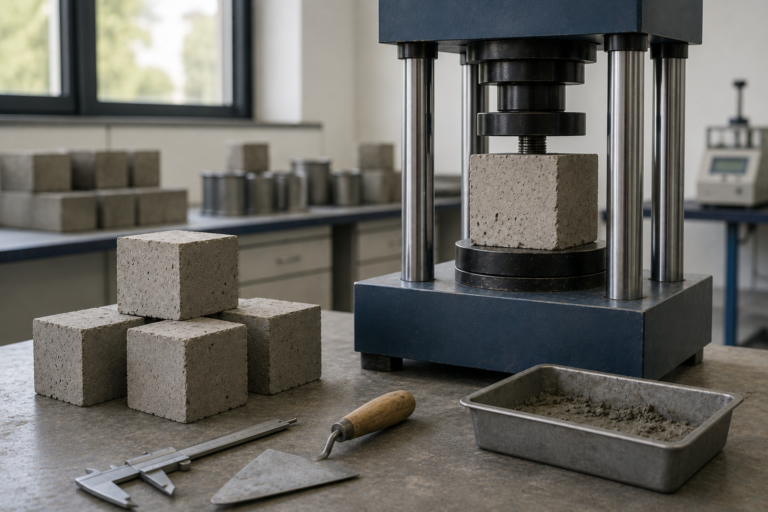
Educational institutions and training centers use material testing to help students understand engineering principles and material behavior. Practical testing experience provides valuable insights into how materials perform under different conditions and prepares future engineers for real-world applications in construction, manufacturing, and quality assurance.
As industries continue to demand higher levels of quality, safety, and performance, the importance of material testing continues to grow. Modern testing methods help organizations make informed decisions, improve product quality, maintain compliance, and reduce operational risks. Whether applied in construction, manufacturing, research, or quality control, material testing serves as a foundation for achieving reliable and consistent results.
Material testing is far more than a routine inspection process. It is a critical component of quality control that supports safer structures, better products, and improved operational efficiency. Organizations that invest in comprehensive testing programs are better equipped to meet industry requirements, satisfy customer expectations, and maintain the highest standards of quality and performance.