Concrete is one of the most widely used construction materials due to its versatility, durability, and ability to withstand heavy loads. However, the strength of concrete is not determined by a single factor. It is influenced by a combination of material properties, production methods, environmental conditions, and construction practices. Understanding the factors that affect concrete strength is essential for engineers, contractors, quality control professionals, and construction companies aiming to achieve reliable and long-lasting structures.
One of the most important factors influencing concrete strength is the water-cement ratio. The amount of water used in relation to the cement content significantly affects the hydration process and the overall quality of the hardened concrete. Excess water can create additional voids within the concrete structure, reducing density and lowering strength. Conversely, insufficient water may prevent proper hydration and make the concrete difficult to place and compact. Achieving the correct balance is essential for optimum performance.
The quality of raw materials also plays a major role in determining concrete strength. Cement, aggregates, water, and admixtures must meet the required quality standards to ensure consistent results. Poor-quality materials can introduce weaknesses into the concrete mix and negatively affect its performance. High-quality aggregates with proper grading and strength characteristics contribute significantly to the overall strength and durability of concrete.
Mix design is another critical factor. Proper proportioning of cement, aggregates, water, and admixtures ensures that the concrete achieves the desired strength and workability. An optimized mix design helps improve density, reduce voids, and enhance long-term performance. Poorly designed mixes may lead to inconsistent results and reduced structural reliability.
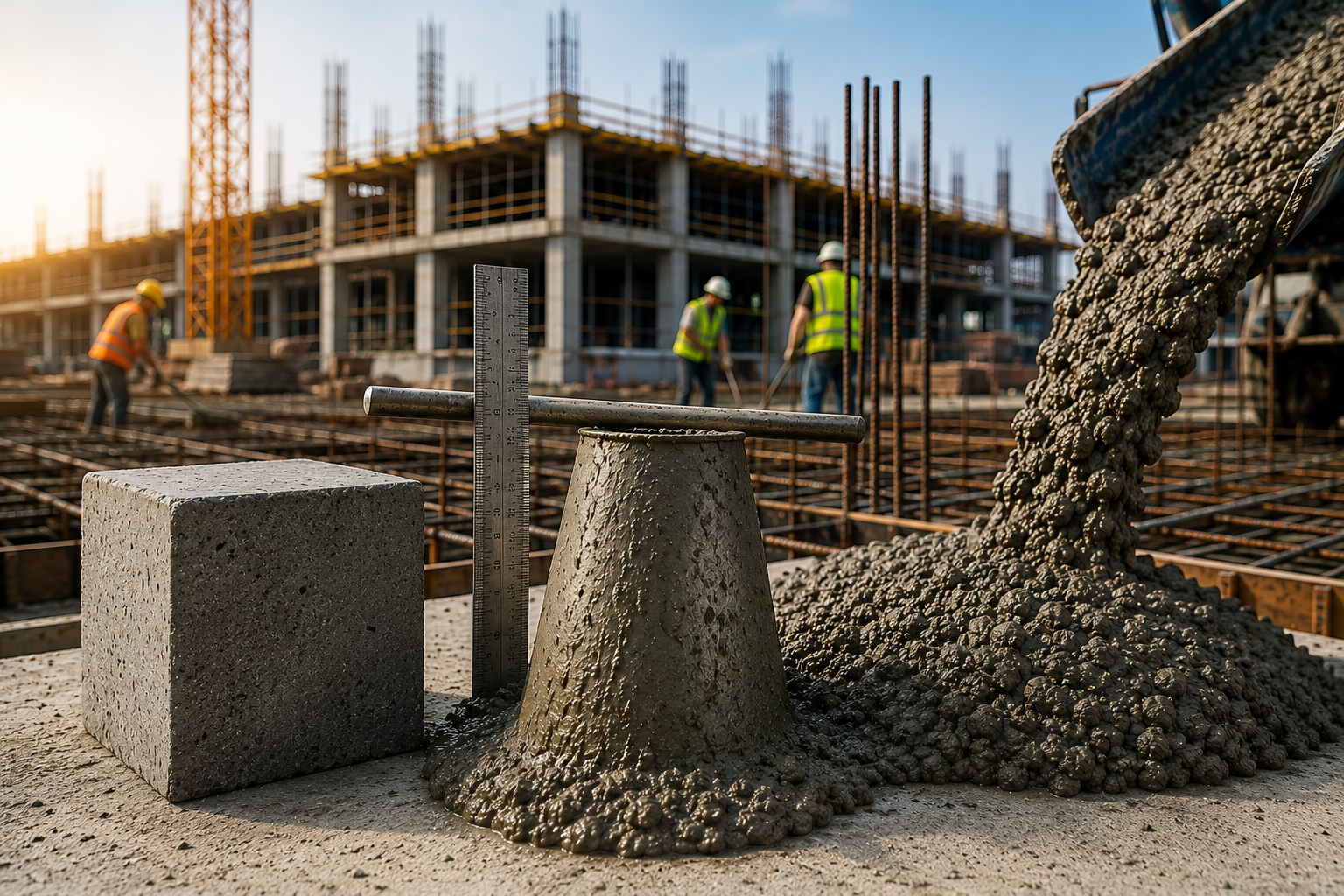
Compaction is equally important during concrete placement. Fresh concrete contains trapped air that must be removed to achieve maximum density. Inadequate compaction can result in air pockets, honeycombing, and internal voids that weaken the concrete structure. Proper vibration and compaction techniques help eliminate these defects and improve strength development.
Curing conditions have a significant impact on concrete strength. Concrete requires adequate moisture and suitable temperature conditions for the hydration process to continue effectively. Improper curing can slow strength development and reduce the final strength achieved by the concrete. Maintaining proper curing practices helps ensure that concrete reaches its intended performance level and develops the durability required for long-term service.
The age of concrete is another factor that influences strength. Concrete continues to gain strength over time as hydration progresses. While early-age strength is important for construction activities, long-term strength development contributes to the overall structural performance of the finished project. Monitoring strength development at different stages helps verify that the concrete is performing as expected.
Environmental conditions can also affect concrete strength. Extreme temperatures, excessive moisture loss, freezing conditions, and harsh weather can interfere with the curing process and impact strength development. Construction teams must account for environmental factors and implement appropriate measures to protect concrete during placement and curing.
Workmanship and construction practices are equally important. Even when high-quality materials and an excellent mix design are used, poor handling, improper placement, inadequate curing, or incorrect finishing techniques can reduce concrete quality. Skilled supervision and adherence to established procedures help ensure that concrete achieves the desired performance characteristics.
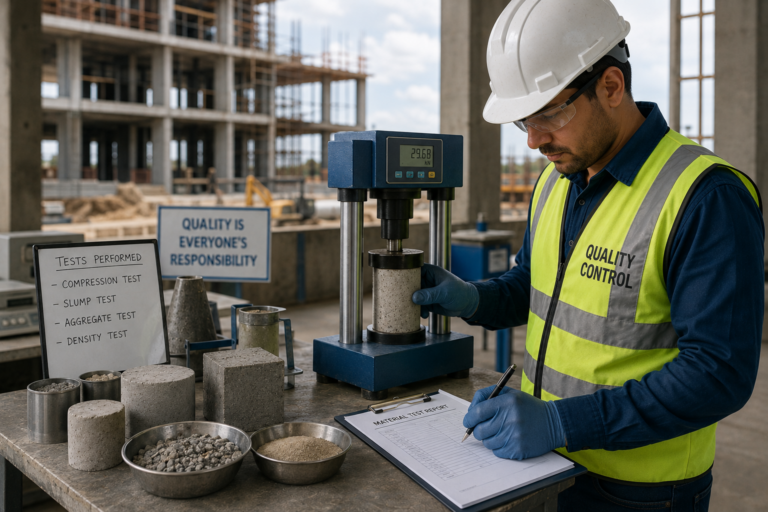
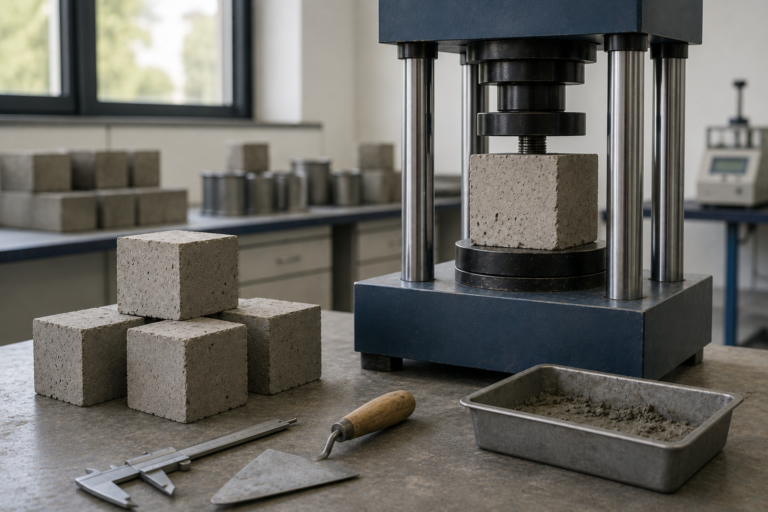
Testing and quality control play a vital role in verifying concrete strength. Regular testing helps identify potential issues before they affect the structure and provides confidence that materials and construction practices are meeting project requirements. Accurate testing results allow engineers and quality control teams to make informed decisions and maintain compliance with industry standards.
As modern construction projects continue to demand higher levels of performance and reliability, understanding the factors that affect concrete strength becomes increasingly important. Every stage of the process, from material selection and mix design to placement, curing, and testing, contributes to the final quality of the concrete. Careful attention to these factors helps ensure stronger, safer, and more durable structures.
Concrete strength is not achieved by chance; it is the result of proper planning, quality materials, controlled production, and effective construction practices. Organizations that focus on these fundamentals are better positioned to deliver high-quality construction projects that meet performance expectations and provide long-term value. By understanding and controlling the factors that influence concrete strength, construction professionals can improve quality, reduce risks, and enhance overall project success.