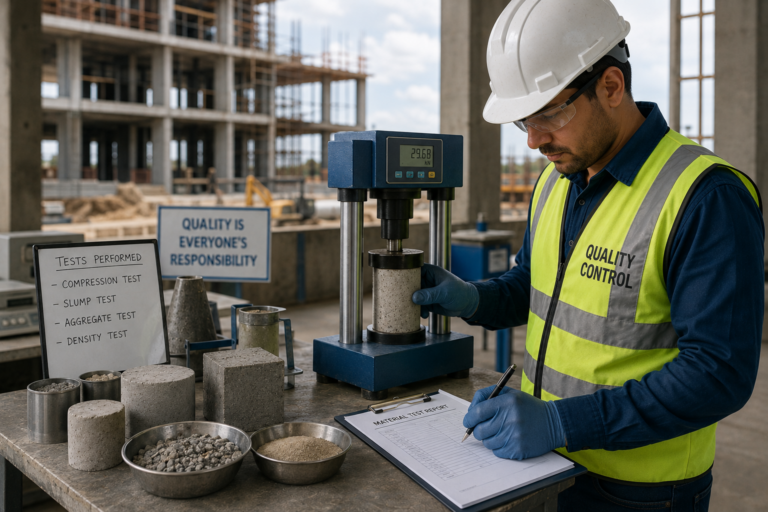
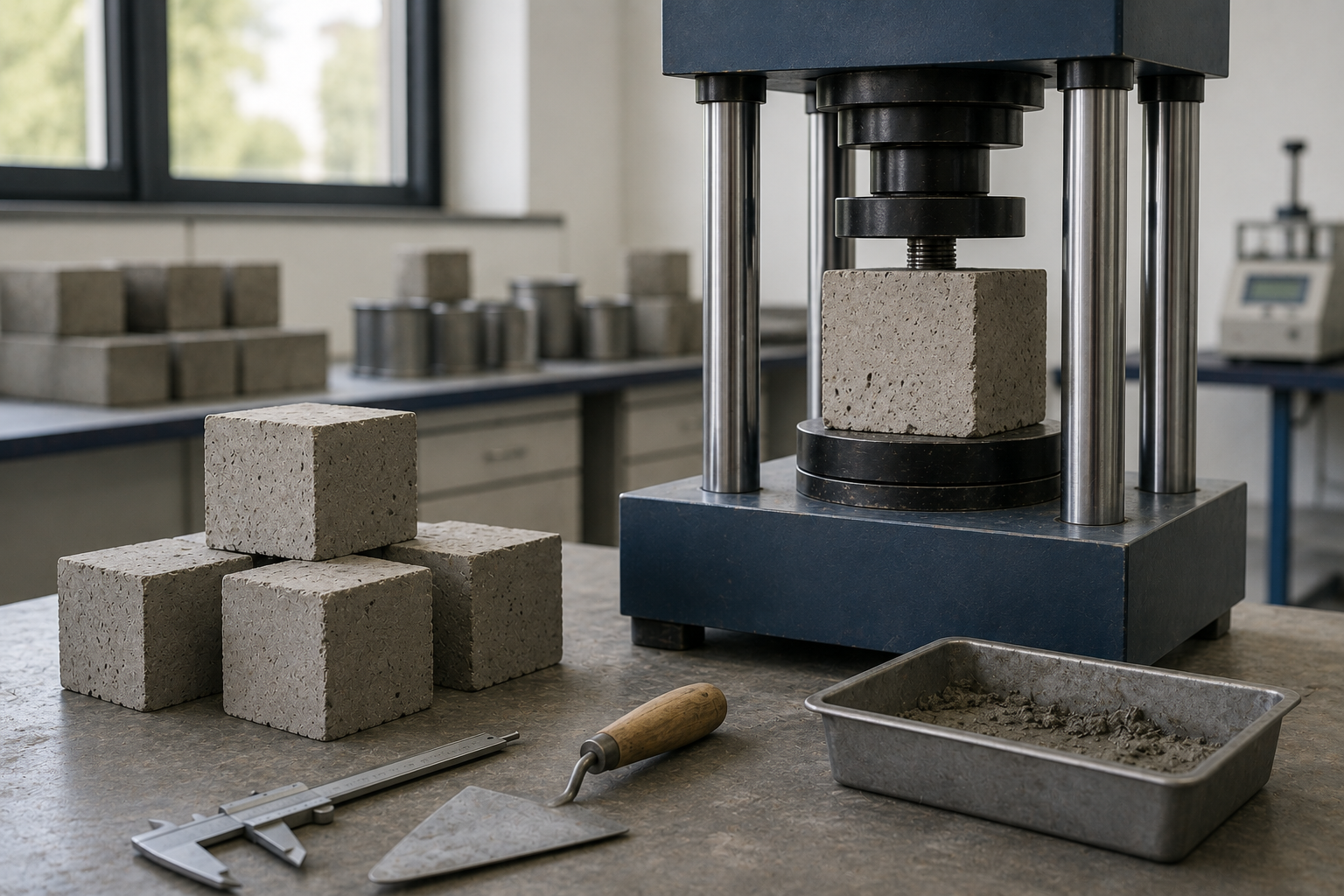
Concrete is one of the most widely used construction materials in the world, and its strength directly affects the safety, durability, and performance of structures. To ensure that concrete meets the required quality standards, various testing methods are used throughout the construction process. Among these methods, concrete cube testing is considered one of the most reliable and widely accepted techniques for evaluating the compressive strength of concrete. The results obtained from concrete cube testing help engineers, contractors, and quality control professionals determine whether the concrete used in a project is capable of meeting design and structural requirements.
Concrete cube testing is performed by preparing standard concrete specimens that are cast, cured, and tested under controlled conditions. These specimens are designed to represent the concrete being used in actual construction work. Once prepared, the cubes are cured for a specified period to allow strength development before testing is carried out. The purpose of the test is to measure the maximum compressive load that the concrete can withstand before failure occurs.
The testing procedure begins during concrete placement. Fresh concrete is collected and poured into standard cube molds. Proper compaction is carried out to remove trapped air and ensure uniform density throughout the specimen. After casting, the cubes are stored under controlled conditions and later transferred to water curing tanks. Proper curing is essential because it allows the hydration process to continue, helping the concrete develop its intended strength.
After the required curing period, the concrete cubes are removed and prepared for testing. Each specimen is inspected to ensure that it is free from visible defects that could influence the test results. The cube is then placed between the compression platens of a testing machine, where a gradually increasing compressive load is applied until the specimen fails. The maximum load recorded during the test is used to determine the compressive strength of the concrete.
Concrete cube testing serves as an important quality control tool for construction projects of all sizes. The results help verify whether the concrete supplied to a project meets the specified strength requirements. If test results indicate lower-than-expected strength, corrective measures can be taken before structural issues arise. This helps reduce risks, improve project quality, and ensure compliance with engineering specifications.
The importance of concrete cube testing extends beyond quality assurance. The test provides valuable information that helps engineers evaluate mix designs, monitor production consistency, and assess the effectiveness of curing practices. By analyzing strength development over time, construction teams can make informed decisions regarding formwork removal, structural loading, and project scheduling.
Concrete cube testing is commonly performed in ready-mix concrete plants, construction sites, testing laboratories, research institutions, universities, and infrastructure projects. It is widely recognized as an essential part of modern construction quality management systems. Regulatory authorities and project consultants often require documented test results as evidence that construction materials comply with approved standards and specifications.
Accurate testing procedures are critical for obtaining reliable results. Factors such as specimen preparation, curing conditions, testing equipment accuracy, and operator competency can all influence the outcome of the test. Organizations that follow standardized procedures and maintain proper quality control practices are more likely to obtain dependable results that accurately reflect concrete performance.
As construction standards continue to evolve and quality expectations increase, concrete cube testing remains one of the most important methods for verifying concrete strength. The information generated through testing supports safer structures, improved material quality, and greater confidence in construction performance. Whether used for residential buildings, commercial developments, highways, bridges, or large-scale infrastructure projects, concrete cube testing provides essential data that contributes to successful project execution.
Understanding the concrete cube testing procedure and its importance allows construction professionals to appreciate the role of quality control in modern engineering. By ensuring that concrete achieves the required strength before being incorporated into a structure, organizations can improve safety, reduce risks, and deliver projects that meet the highest standards of quality and reliability.