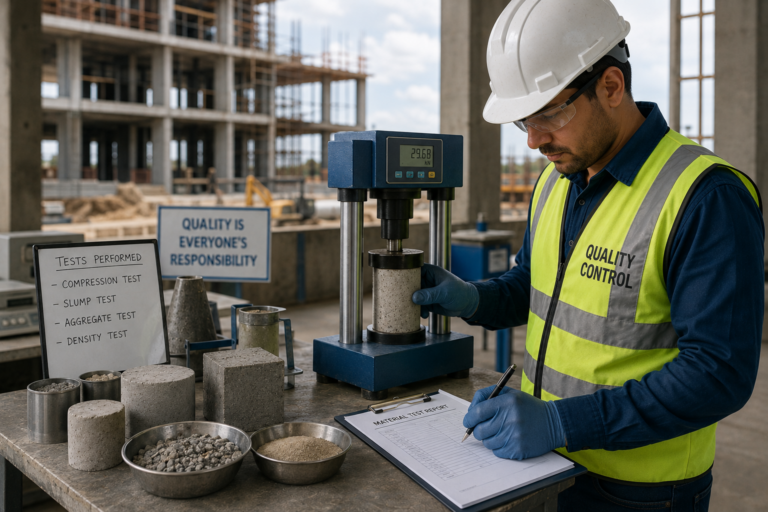
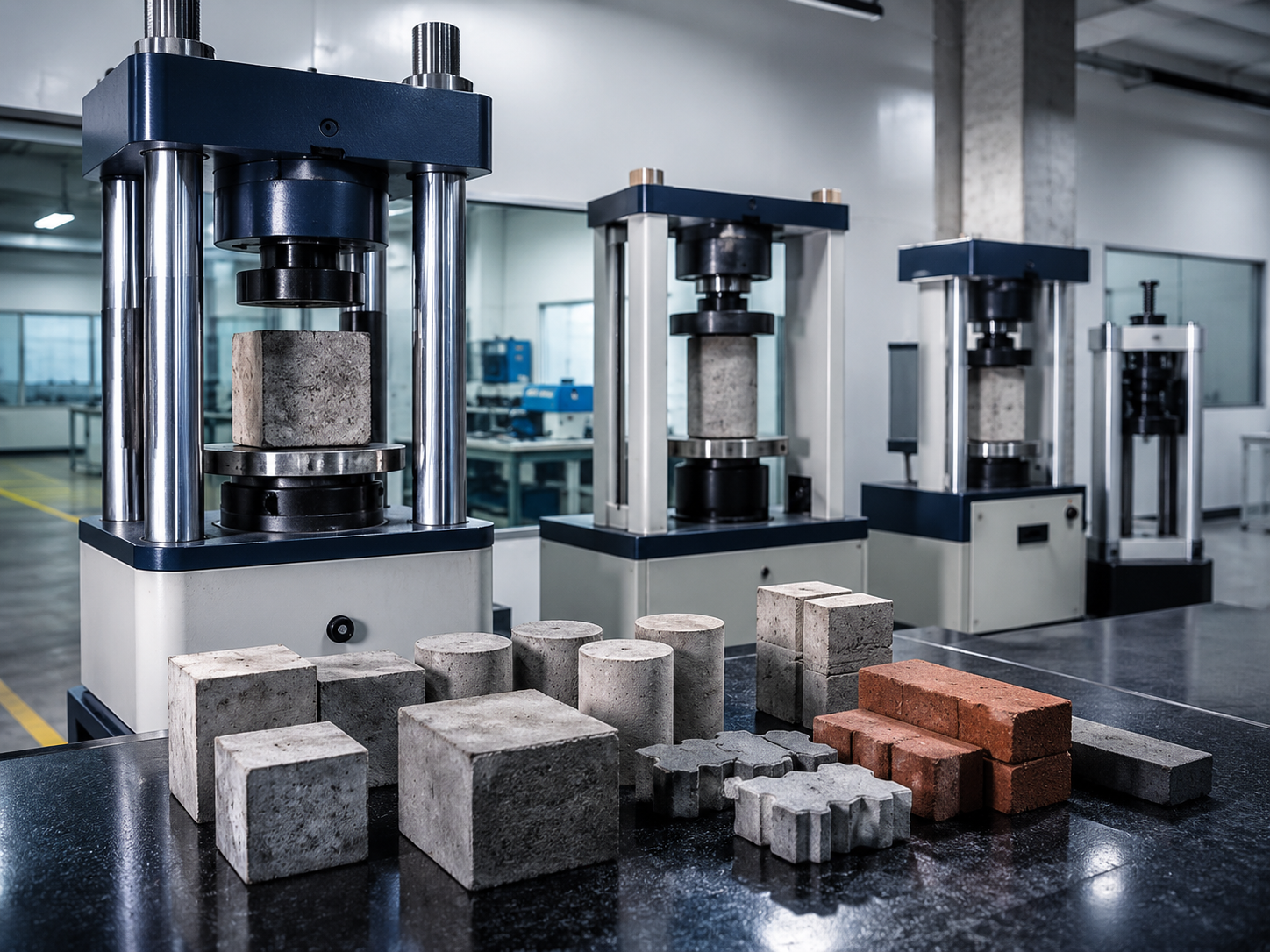
Compression Testing Machines play a vital role in determining the compressive strength of concrete, cement, mortar, and various construction materials. To ensure testing accuracy, reliability, and consistency, these machines must comply with recognized standards. In India, one of the most important standards governing Compression Testing Machines is IS 14858. This standard provides guidelines for the design, performance, calibration, and verification of Compression Testing Machines used in material testing laboratories and quality control facilities.
IS 14858 was developed to establish uniform requirements for Compression Testing Machines and to ensure that test results produced by different laboratories remain consistent and dependable. Compliance with this standard is particularly important for organizations involved in construction projects, infrastructure development, ready-mix concrete production, cement manufacturing, research activities, and government testing programs. By following IS 14858 requirements, laboratories can improve confidence in test results and maintain compliance with quality assurance procedures.
One of the primary objectives of IS 14858 is to ensure that Compression Testing Machines provide accurate measurement of applied loads. The standard specifies acceptable limits for load measurement accuracy and defines procedures for machine verification and calibration. A machine that complies with IS 14858 must demonstrate reliable performance throughout its operating range and maintain accuracy under normal testing conditions.
The standard also addresses machine construction and structural integrity. Compression Testing Machines must be designed with sufficient rigidity and strength to withstand testing loads without excessive deformation or instability. Proper frame design, hydraulic system performance, and load application mechanisms are critical to achieving accurate and repeatable results. A robust machine structure helps ensure that applied loads are transferred uniformly to the test specimen.
Load indication systems are another important aspect covered by IS 14858. Modern Compression Testing Machines may use digital displays, electronic controllers, or automated data acquisition systems to indicate the applied load. These systems must provide clear and accurate readings that allow operators to determine the maximum load sustained by a specimen during testing. Accurate load indication is essential for calculating compressive strength and evaluating material performance.
Calibration requirements form a significant part of the standard. Compression Testing Machines should be calibrated periodically using certified proving devices or reference standards. Regular calibration helps verify machine accuracy and identify any deviations that may affect testing results. Laboratories often implement scheduled calibration programs to maintain compliance and ensure long-term reliability of their testing equipment.
IS 14858 also emphasizes proper operation and maintenance practices. Operators should be trained to use the machine correctly, position specimens accurately, and follow approved testing procedures. Routine maintenance, inspection, and servicing help maintain machine performance and reduce the risk of inaccurate results caused by wear, damage, or improper operation.
For organizations purchasing new Compression Testing Machines, compliance with IS 14858 serves as an important indicator of quality and reliability. Machines designed according to this standard are generally better suited for professional testing environments where accuracy and standards compliance are essential. Buyers should verify that equipment manufacturers follow relevant standards and provide calibration support, technical documentation, and quality assurance records.
In addition to supporting laboratory operations, compliance with IS 14858 contributes to broader quality control efforts within the construction industry. Reliable compressive strength testing helps engineers, contractors, and quality managers verify material performance before it is used in buildings, roads, bridges, dams, and other critical infrastructure projects. Accurate testing reduces risks, supports regulatory compliance, and helps maintain confidence in construction quality.
As testing requirements continue to evolve, standards such as IS 14858 remain fundamental to maintaining consistency and accuracy across the material testing industry. Organizations that invest in standards-compliant Compression Testing Machines benefit from improved testing reliability, better quality assurance practices, and greater confidence in the results used for engineering decisions and project approvals.
Understanding the requirements of IS 14858 is essential for laboratories, testing professionals, and equipment buyers seeking dependable Compression Testing Machines. By selecting compliant equipment and following proper calibration and maintenance procedures, organizations can achieve accurate testing results and support long-term quality assurance objectives across a wide range of construction and material testing applications.