A Compression Testing Machine (CTM) is one of the most important pieces of equipment used in construction material testing laboratories, concrete production facilities, research institutions, and quality control departments. When organizations plan to purchase a CTM, one of the first questions they ask is, “What is the price of a Compression Testing Machine in India?” The answer depends on several factors, including machine capacity, level of automation, testing standards, control systems, data acquisition features, and overall build quality.
Compression Testing Machines are available in a wide range of capacities, typically starting from smaller laboratory models and extending up to high-capacity machines designed for heavy-duty testing applications. Machines with lower capacities generally cost less, while higher-capacity systems equipped with advanced controls, digital displays, and automated testing functions are positioned at a higher price point. The choice of machine should always be based on testing requirements rather than price alone, as selecting an unsuitable model can affect testing accuracy and long-term operational efficiency.
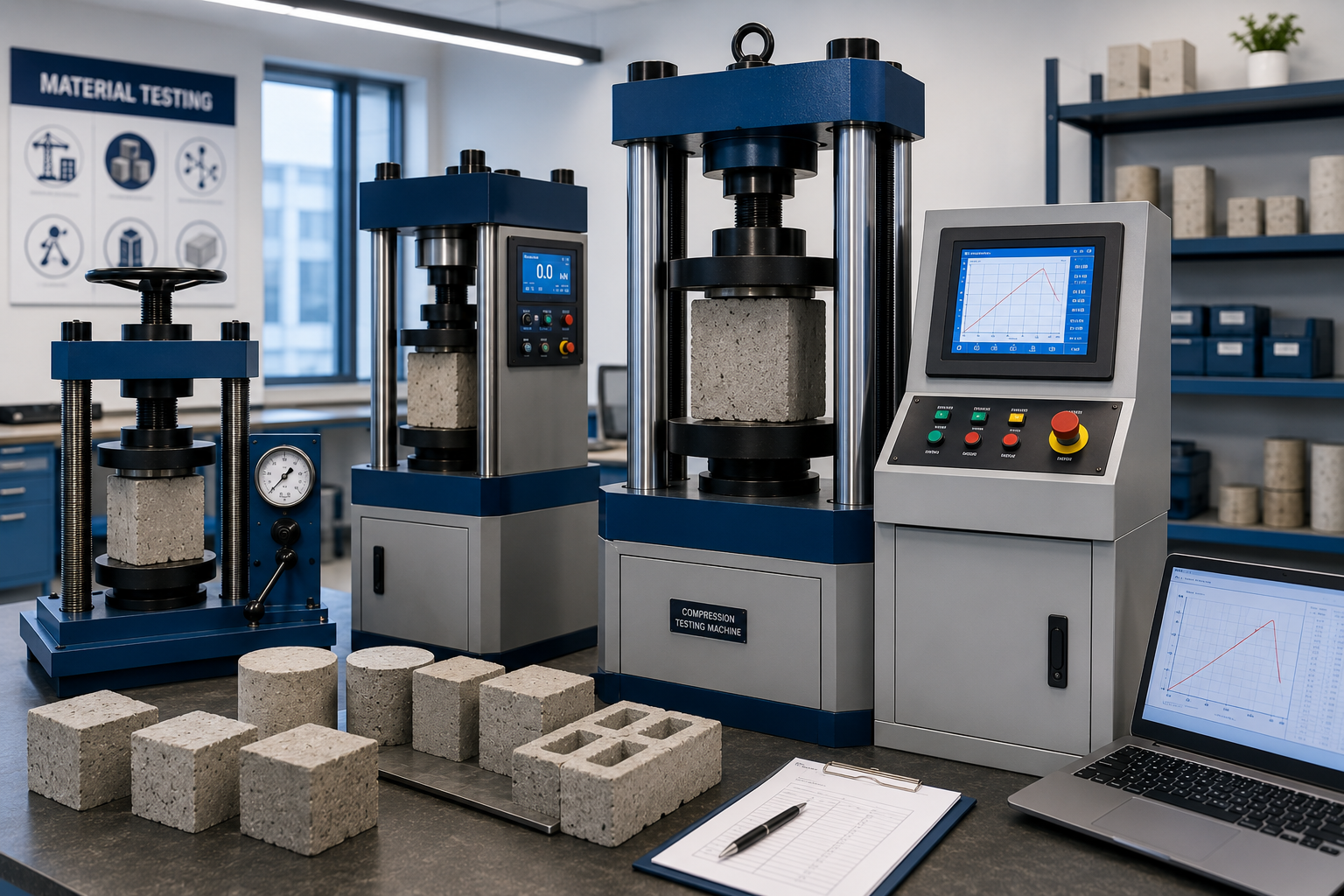
The type of Compression Testing Machine significantly influences its cost. Manual CTM machines are usually the most economical option and are commonly used in educational institutions and laboratories with lower testing volumes. Digital Compression Testing Machines offer improved accuracy and easier operation through electronic load measurement and display systems. Automatic Compression Testing Machines provide enhanced efficiency, repeatability, and user convenience by automating the testing process. Servo-controlled systems represent the most advanced category, offering precise load control, detailed test data, and sophisticated software integration for high-performance testing environments.
Machine capacity is another major factor affecting price. Facilities testing standard concrete cubes may require a different capacity than laboratories handling larger concrete cylinders, paving blocks, or specialized construction materials. Higher-capacity machines require stronger frames, larger hydraulic systems, and more advanced control mechanisms, all of which contribute to the overall investment. Therefore, buyers should carefully evaluate their present and future testing requirements before selecting a machine.
Compliance with industry standards also impacts machine pricing. Compression Testing Machines designed to meet standards such as IS 14858, IS 516, ASTM C39, and EN 12390 generally incorporate stricter engineering requirements and quality assurance processes. Investing in a standards-compliant machine ensures reliable results, regulatory compliance, and long-term confidence in testing operations.
When evaluating Compression Testing Machine prices in India, buyers should consider more than just the initial purchase cost. Installation support, calibration services, operator training, warranty coverage, spare parts availability, technical support, and after-sales service all contribute to the total value of the investment. A machine with strong manufacturer support often delivers better long-term performance and lower operational costs compared to a lower-priced alternative with limited service availability.
Organizations such as construction companies, ready-mix concrete plants, cement manufacturers, testing laboratories, universities, and government agencies should focus on overall performance, reliability, and support rather than selecting equipment solely based on the lowest price. Accurate and dependable testing results are critical for maintaining quality standards, ensuring structural safety, and meeting project specifications.
India has become a major manufacturing hub for material testing equipment, with several manufacturers offering a wide range of Compression Testing Machines designed for domestic and international markets. Buyers now have access to advanced testing systems that combine precision engineering, robust construction, and modern technology while meeting global quality expectations.
Choosing the right Compression Testing Machine is an important decision that can significantly impact testing efficiency and quality assurance processes. By evaluating machine capacity, automation level, standards compliance, support services, and long-term operational requirements, organizations can make an informed investment that delivers reliable performance for many years. A high-quality Compression Testing Machine not only improves testing accuracy but also strengthens confidence in the quality and safety of construction materials used in critical infrastructure and development projects.