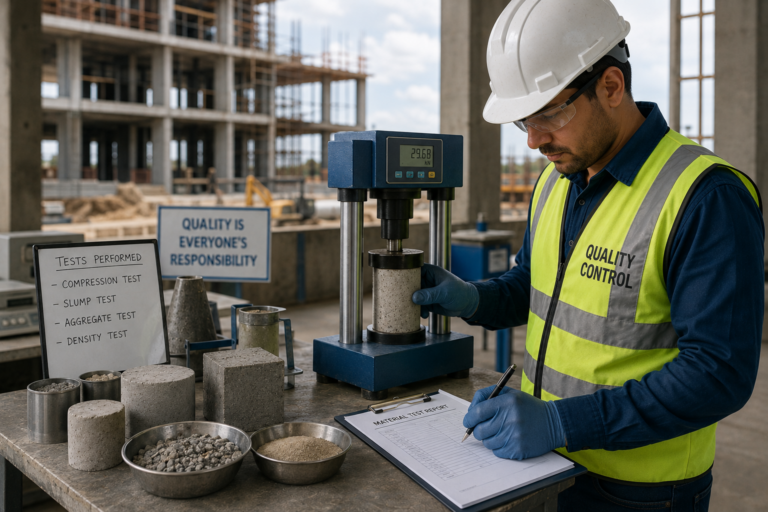
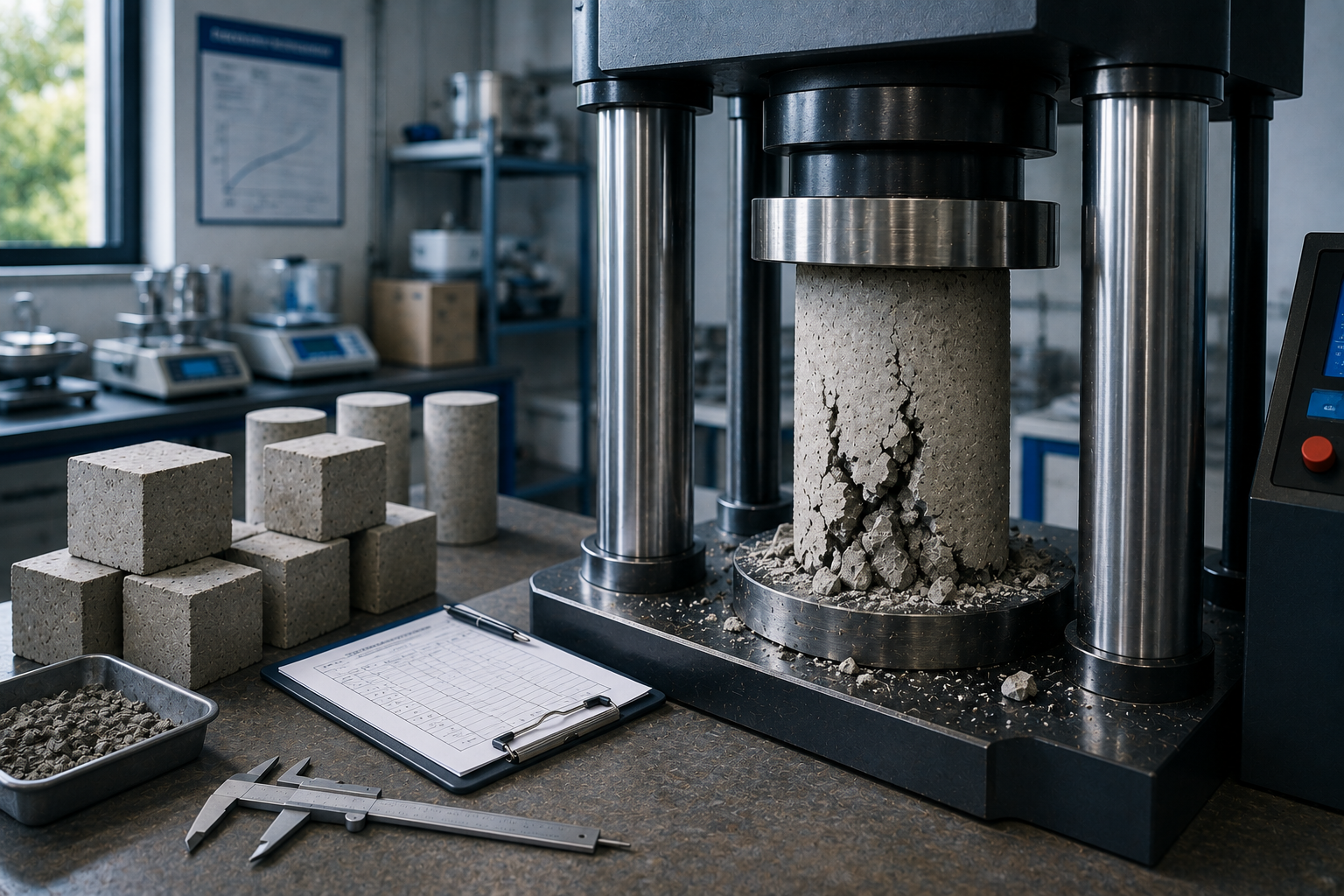
Compression testing is one of the most widely used methods for evaluating the strength and performance of construction materials. Accurate test results are essential for quality control, regulatory compliance, and ensuring the safety of structures. However, even when modern testing equipment is used, mistakes during specimen preparation, handling, or testing procedures can lead to inaccurate results. Understanding these common errors and implementing proper testing practices can significantly improve the reliability of compression testing outcomes.
One of the most frequent mistakes occurs during specimen preparation. Test specimens must be prepared according to the relevant standards and project requirements. Improper mixing, inadequate compaction, uneven surfaces, or dimensional inconsistencies can affect the distribution of load during testing. When a specimen is not prepared correctly, the measured strength may not accurately represent the actual performance of the material.
Curing conditions also play a major role in test accuracy. Construction materials such as concrete require controlled curing to develop their intended strength. Variations in temperature, humidity, or curing duration can influence the final test results. Specimens that are not cured properly may exhibit lower strength values, leading to incorrect conclusions about material quality.
Another common issue is improper specimen alignment. During compression testing, the specimen must be positioned centrally between the loading platens. Misalignment can create uneven stress distribution and cause premature failure. Even a small positioning error may significantly impact the measured compressive strength. Ensuring correct placement before applying the load is an important step in achieving accurate results.
Loading rate errors are another major source of inaccurate testing. Compression tests must be performed at a controlled loading rate specified by the applicable testing standard. Applying load too quickly may result in artificially high strength values, while applying load too slowly can affect the failure behavior of the specimen. Maintaining a consistent and standardized loading rate is essential for obtaining reliable and repeatable results.
Equipment calibration is often overlooked but remains critical for accurate testing. Testing equipment should be calibrated regularly to verify load measurement accuracy and ensure compliance with applicable standards. An improperly calibrated machine may produce incorrect readings, regardless of how carefully the test is performed. Routine calibration and verification help maintain confidence in testing data and reduce the risk of inaccurate measurements.
Poor specimen handling before testing can also influence results. Specimens may develop cracks, surface damage, or other defects if they are transported or stored improperly. Damaged specimens may fail prematurely during testing, leading to misleading strength values. Careful handling and inspection prior to testing help prevent such issues and improve overall test reliability.
Data recording and documentation errors are another challenge faced by many laboratories. Inaccurate recording of specimen information, testing dates, dimensions, or load values can create confusion and compromise quality control processes. Maintaining detailed and organized records helps ensure traceability and allows results to be reviewed and verified when necessary.
Environmental conditions within the testing laboratory can also affect test accuracy. Excessive vibration, unstable testing surfaces, and uncontrolled temperature conditions may introduce variations into the testing process. Laboratories should maintain a suitable testing environment that supports consistent and repeatable measurements.
Operator training is equally important in preventing testing errors. Even advanced testing systems require knowledgeable operators who understand testing procedures, standards requirements, and equipment operation. Proper training helps reduce human error and ensures that tests are performed consistently across different operators and testing locations.
Accurate compression testing depends on a combination of proper specimen preparation, controlled testing procedures, calibrated equipment, and trained personnel. Organizations that follow recognized standards and implement robust quality control practices can significantly improve the reliability of their test results. By avoiding common mistakes and maintaining disciplined testing procedures, laboratories and quality control teams can generate dependable data that supports safe construction practices and informed engineering decisions.
Compression testing remains a cornerstone of construction material evaluation. When performed correctly, it provides valuable insight into material performance, structural reliability, and quality assurance. Understanding and avoiding common testing mistakes helps ensure that the results accurately reflect the true strength and behavior of the materials being tested.