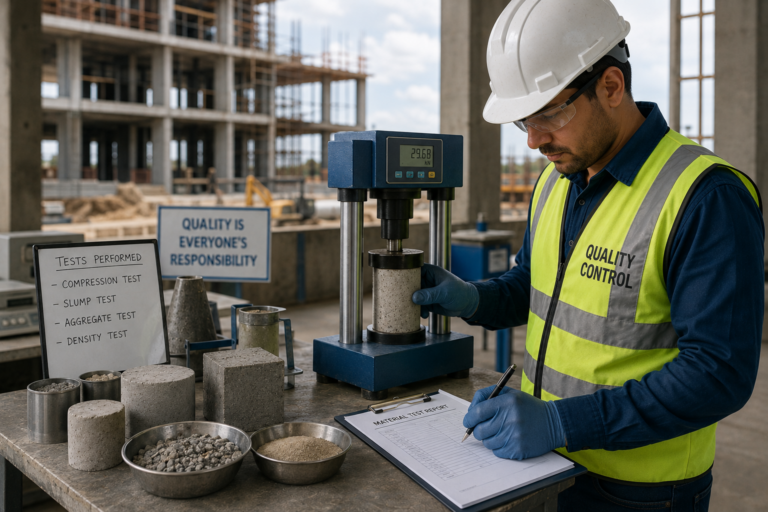

Compression testing is one of the most important quality control procedures in the construction industry. Every structure, whether it is a residential building, commercial complex, bridge, highway, dam, or industrial facility, relies on the strength and durability of construction materials. Ensuring that these materials can withstand the required loads is essential for structural safety and long-term performance. Compression testing provides a reliable method for evaluating the load-bearing capacity of materials and verifying their suitability for construction applications.
Construction projects involve significant investments and strict quality requirements. Even a minor compromise in material strength can lead to structural issues, reduced service life, increased maintenance costs, and potential safety risks. Compression testing helps engineers, contractors, and quality control professionals identify material performance before it becomes a problem in the completed structure. By measuring compressive strength accurately, organizations can make informed decisions regarding material acceptance and construction quality.
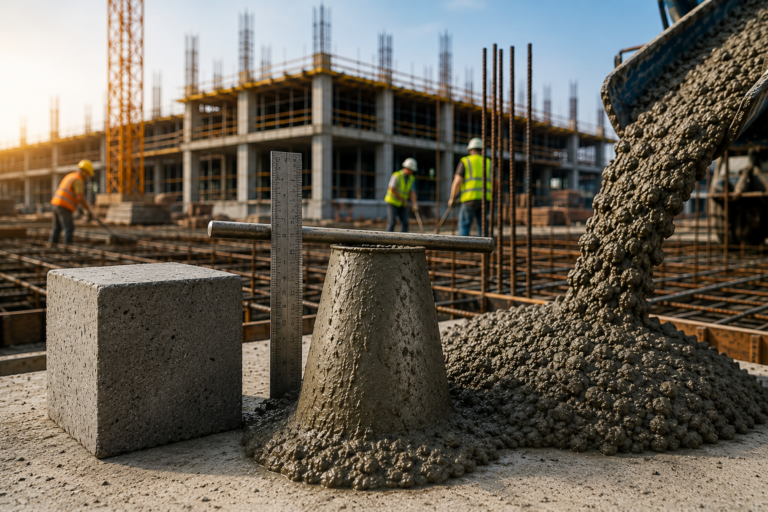
Concrete is one of the most commonly tested construction materials. Since concrete is widely used in foundations, columns, beams, slabs, pavements, and infrastructure projects, verifying its compressive strength is critical. Compression testing helps determine whether concrete has achieved the required design strength and whether it complies with project specifications and industry standards. This process ensures that structural elements are capable of supporting expected loads throughout their service life.
The importance of compression testing extends beyond concrete. Various construction materials such as cement mortar, paving blocks, bricks, masonry units, and other structural components are also evaluated using compression testing methods. These tests help manufacturers maintain product consistency, improve quality control procedures, and ensure compliance with regulatory requirements.
Quality assurance is one of the primary benefits of compression testing. Construction projects are often subject to strict specifications and inspection requirements. Testing provides documented evidence that materials meet established performance criteria and conform to applicable standards. This documentation is particularly important for large-scale infrastructure projects, government contracts, and commercial developments where compliance and traceability are essential.
Compression testing also contributes to cost savings and risk reduction. Identifying material deficiencies during the testing stage is significantly less expensive than addressing structural failures after construction is complete. Early detection allows corrective actions to be implemented before defective materials are incorporated into the project. This proactive approach helps reduce rework, delays, and unexpected expenses while improving overall project efficiency.
In addition to supporting quality control, compression testing plays an important role in research and development. Engineers and researchers use testing data to evaluate new materials, optimize concrete mix designs, improve manufacturing processes, and develop innovative construction solutions. Reliable strength data enables continuous improvement and supports advancements in construction technology.
Educational institutions and training centers also rely on compression testing as part of engineering education. Students gain practical experience in material testing procedures and develop a better understanding of how material properties influence structural performance. This knowledge helps prepare future engineers and quality control professionals for real-world construction challenges.
As construction standards continue to evolve, the demand for accurate and reliable testing becomes increasingly important. Modern testing practices help ensure compliance with national and international standards while supporting the delivery of safe, durable, and high-quality structures. Organizations that prioritize compression testing demonstrate a commitment to quality, safety, and engineering excellence.
Compression testing remains a fundamental component of modern construction quality assurance. By providing accurate information about material strength and performance, it helps engineers, contractors, manufacturers, and project owners make confident decisions throughout the construction process. The ability to verify material quality before construction is completed ultimately contributes to stronger structures, improved safety, and long-term project success.